Defense Tech Spec Campaign · Brand Identity · Recruitment

VANTAGE Relay

Brand
VANTAGE — Tactical Mesh Communications
Campaign Line
Every Voice. Every Position. Every Time.
Deliverables
6 Campaign Stills · Brand Identity · Social Variants
Target
SOF Units · Comms Officers · DoD Procurement · Defense VCs
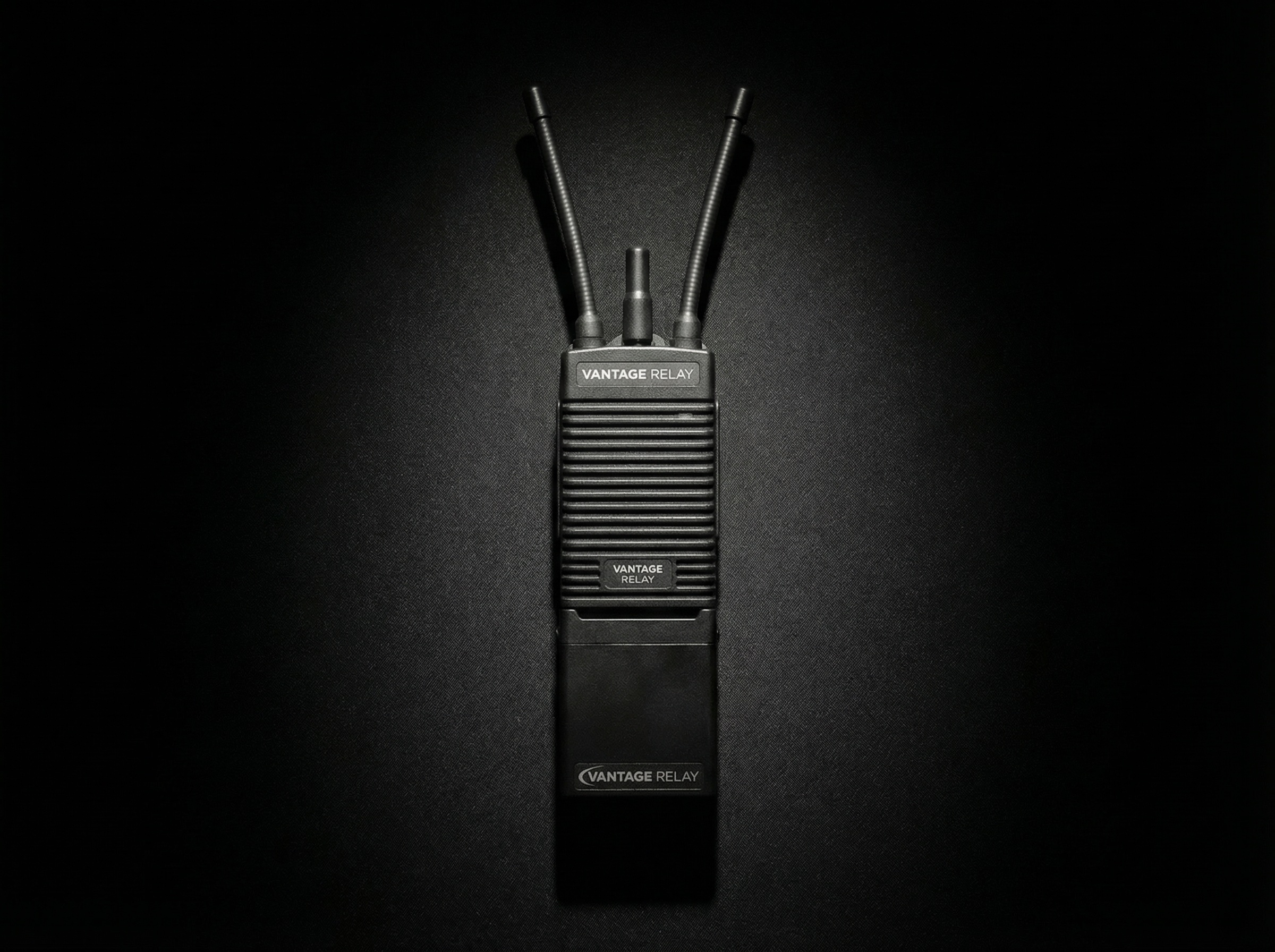
VANTAGE Relay — Hero
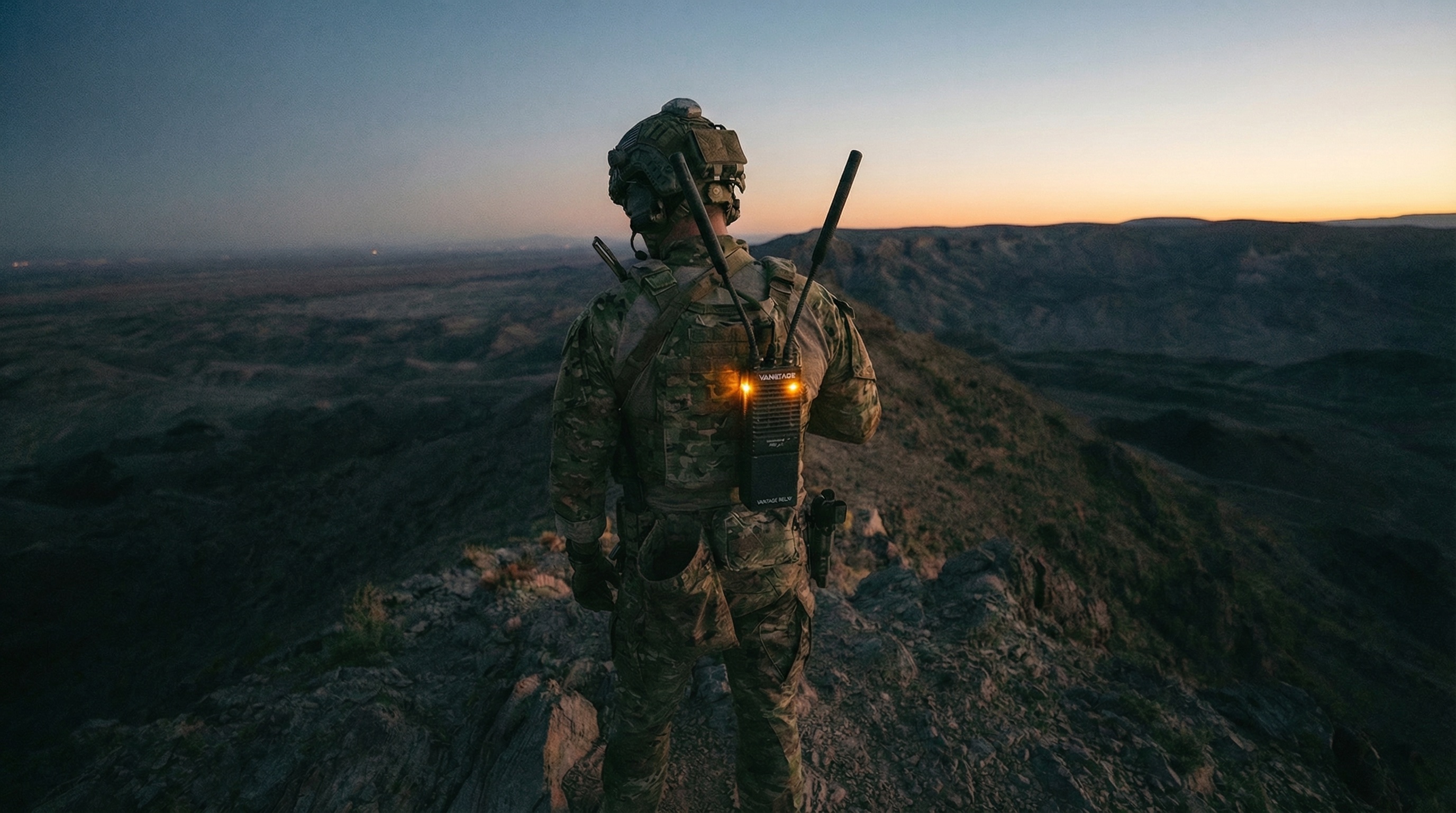
Still 01 — Field Op
Field
Still 01 — Field Op
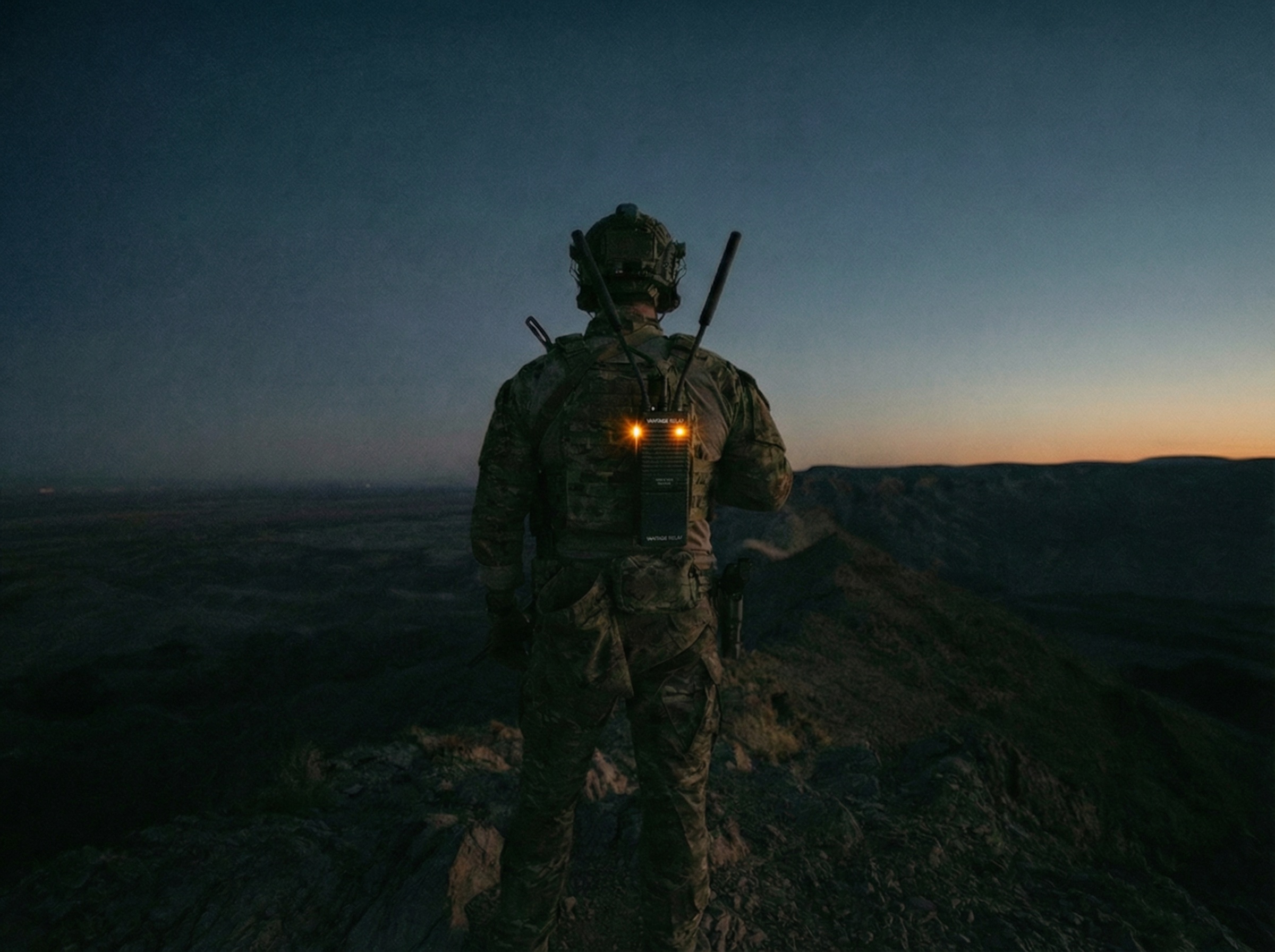
Still 02 — Night Move
Night
Still 02 — Night Move
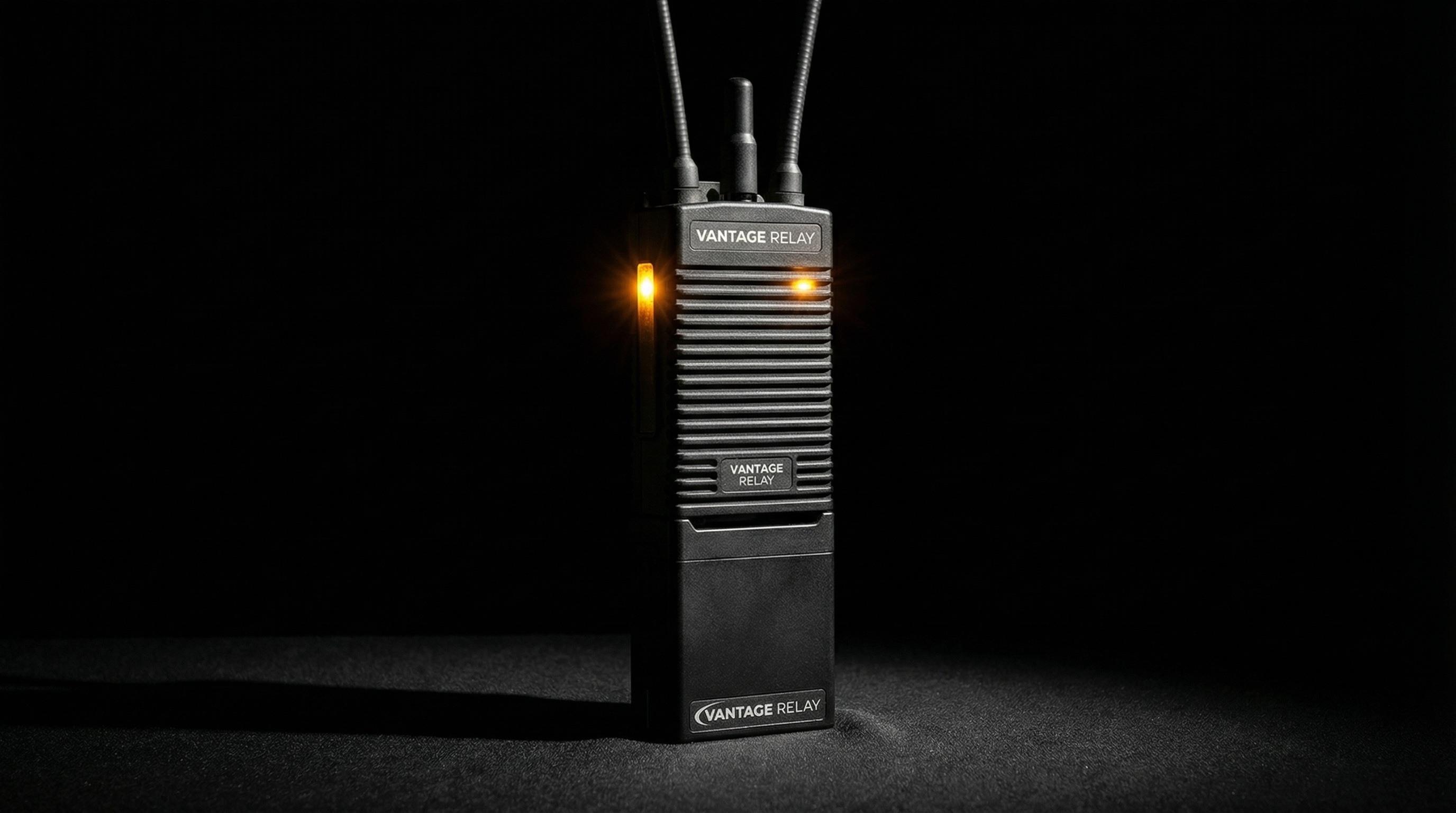
Still 03 — Hardware Detail
Detail
Still 03 — Hardware Detail
Campaign Line

Every Voice.
Every Position.
Every Time.

The Brand
01

VANTAGE — Built for the moment the network goes down.

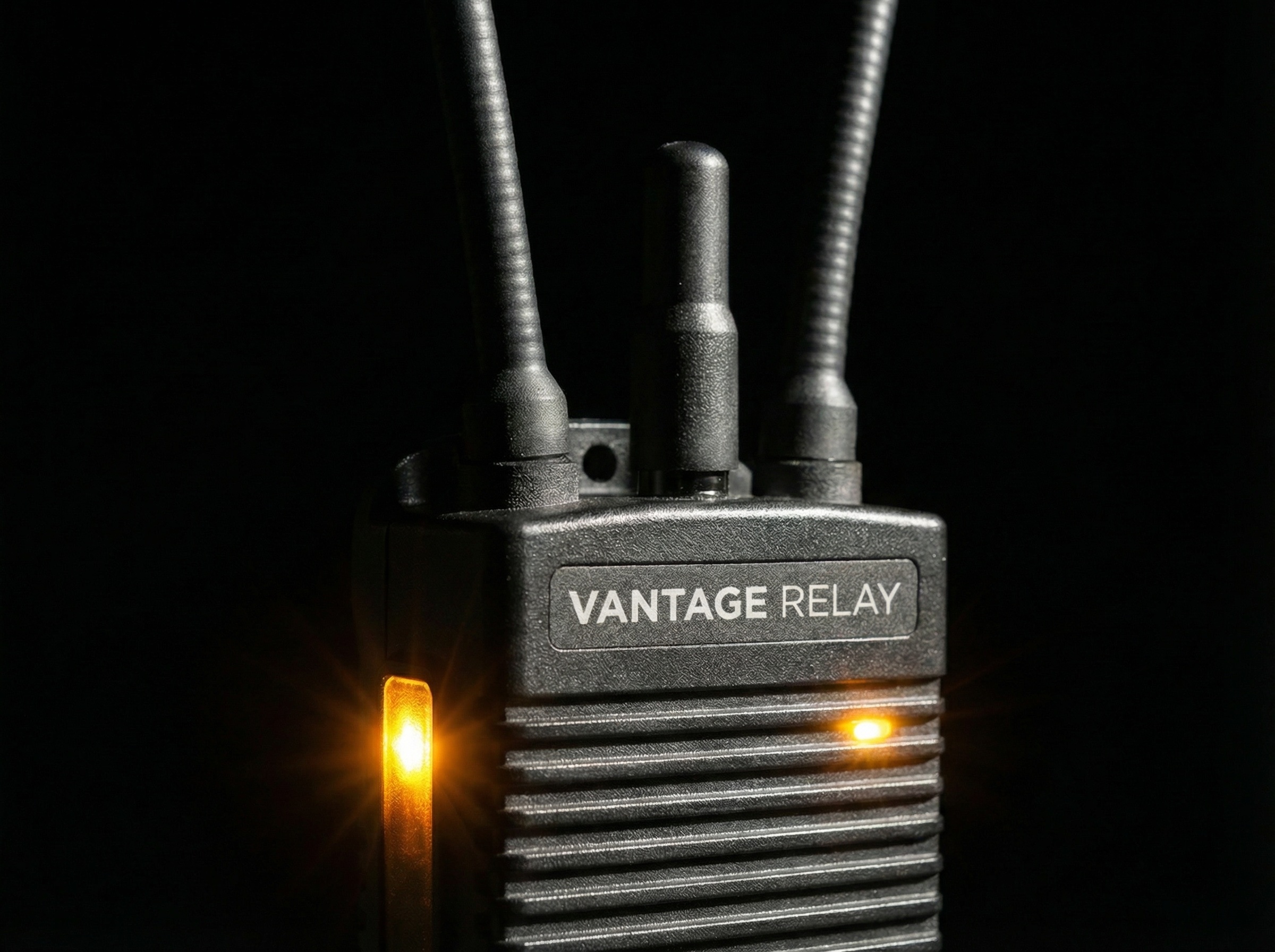
VANTAGE is a Portland-based tactical communications company founded by former MARSOC signals operators. Their flagship product, the Relay, is a wearable mesh radio node designed for small unit operations in GPS-denied, communications-contested environments. Priced at $8,400 per unit.

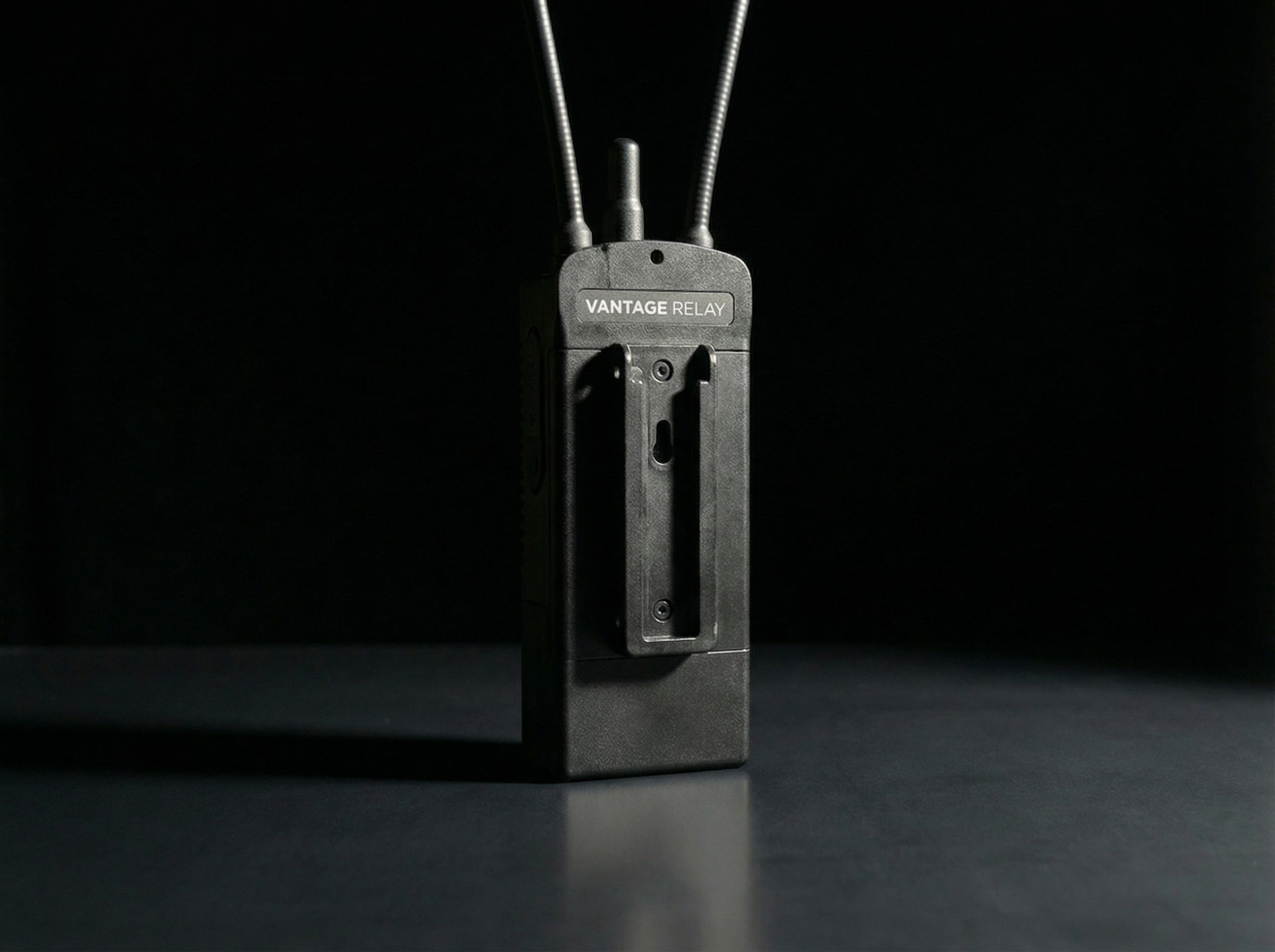
Body-worn form factor. Attaches to plate carrier or chest rig. Encrypted peer-to-peer mesh network — no infrastructure required, no single point of failure. Range of 2km per node, scalable to 40km with four units. 72-hour battery life. Automatic frequency hopping at 400 hops per second.

When the enemy jams the radio and the satellite link drops, the mission doesn't stop. VANTAGE was built for the three seconds after that happens — and every second that follows.

The Brief
02

A contested spectrum. An audience that's been cut off before.

The tactical comms market is crowded with legacy hardware — heavy, infrastructure-dependent, and built for a threat environment that no longer exists. Every operator who has run a complex mission in a denied environment knows what it feels like when the network fails. They've improvised. They've lost people to gaps in communication that better technology would have closed.

The procurement officers, comms NCOs, and SOF unit commanders who make buying decisions for tactical communications have lived that failure. They don't need to be sold on the problem — they need to believe the solution actually works. That belief starts with credibility, not spec sheets.

VANTAGE's technology was proven in field trials. Their brand wasn't. The ask: build a presence that speaks to the people who've carried a radio that failed them.

The Strategy
03

Hypothesis: mission-continuity framing converts comms procurement audiences faster than technical specification.

This audience has memorized frequency bands, encryption standards, and range specs for a dozen competing systems. What they haven't seen is a brand that understands what it actually costs when those systems fail under pressure. VANTAGE leads with the mission, not the hardware.

01

Show the Silence After Comms Fail

Every visual begins in an environment where communication is the difference between mission success and catastrophe. Dense urban terrain at night. A mountain ridge in zero visibility. A subterranean passage with no signal. The Relay appears as the answer to a silence the audience already knows.

02

Hardware on the Body, Not on a Table

The Relay is always shown worn — clipped to a plate carrier, integrated into a chest rig, attached to a patrol pack. It is never a product photo on a white surface. The hardware earns its place by being in the frame the same way it earns its place in the field — by being there when everything else isn't.

03

Copy That Operates Like the Product

Three statements. No conjunction. No qualification. "Every Voice. Every Position. Every Time." mirrors the redundancy architecture of the mesh network itself — no single point of failure in the copy, just like the hardware. The audience understands exactly what that means.

Visual Language
04

Contested. Connected. Relentless.

The visual direction is defined by the environments where communication matters most. Every frame is a terrain the audience has operated in or trained for. Nothing sterile. Nothing performed. The Relay exists in the world it was built to survive.

Lighting

Night operations green and deep shadow. Urban ambient in contested terrain. The Relay's status indicator — a single amber LED — becomes the only warm light source in dark frames. Tactical, never cinematic for its own sake.

Texture

Matte polymer housing. Molle webbing. Plate carrier fabric. The Relay sits against the textures of the kit it integrates with — nothing polished, nothing isolated. It belongs to the operator's loadout the way a magazine belongs in a pouch.

Composition

The Relay is always secondary in the frame — visible but not centered. The operator, the terrain, the mission context takes the foreground. The hardware earns attention by being indispensable, not by demanding it.

Copy Treatment

Three lines. Equal weight. Syne, tight tracking, no punctuation except the periods. Set against the darkest corner of the frame. The copy operates the way the network operates — distributed, redundant, impossible to silence.

The Metrics Model
05

Projected performance vs. industry benchmarks.

Modeled against LinkedIn and programmatic benchmarks for B2B defense and deep tech verticals — procurement-stage brand awareness, talent acquisition, and Series A/B fundraising visibility for hardware communications startups.

Metric
Benchmark
VANTAGE Projection
LinkedIn CTR (defense targeting)
0.4–0.6%
1.5–1.9%
Procurement Inquiry Rate
Baseline
2.6× Baseline
VC Inbound Inquiry Rate
Baseline
2.1× Baseline
Engineering Talent Application Rate
Baseline
3.1× Baseline
Projections are modeled estimates based on comparable credibility-driven campaigns in adjacent B2B verticals — defense hardware, deep tech recruitment, and Series A/B brand visibility. Actual performance will vary. Elarith uses iterative creative testing to converge on peak efficiency within the first 30 days of any campaign.
Work With Elarith

Is your brand impossible to ignore?